Caring for Your Child: Preventing Seasonal Allergy Flare-Ups
Spring and fall look pretty until pollen shows up. Then kids start sniffing, sneezing, and rubbing their eyes, and parents start hunting for tissues. Seasonal allergies are common. They are also manageable if you cut exposure at home and know when to call the pediatrician. That is the work The World of Pediatrics does with families who want their kids comfortable again.
What seasonal allergies look like in kids
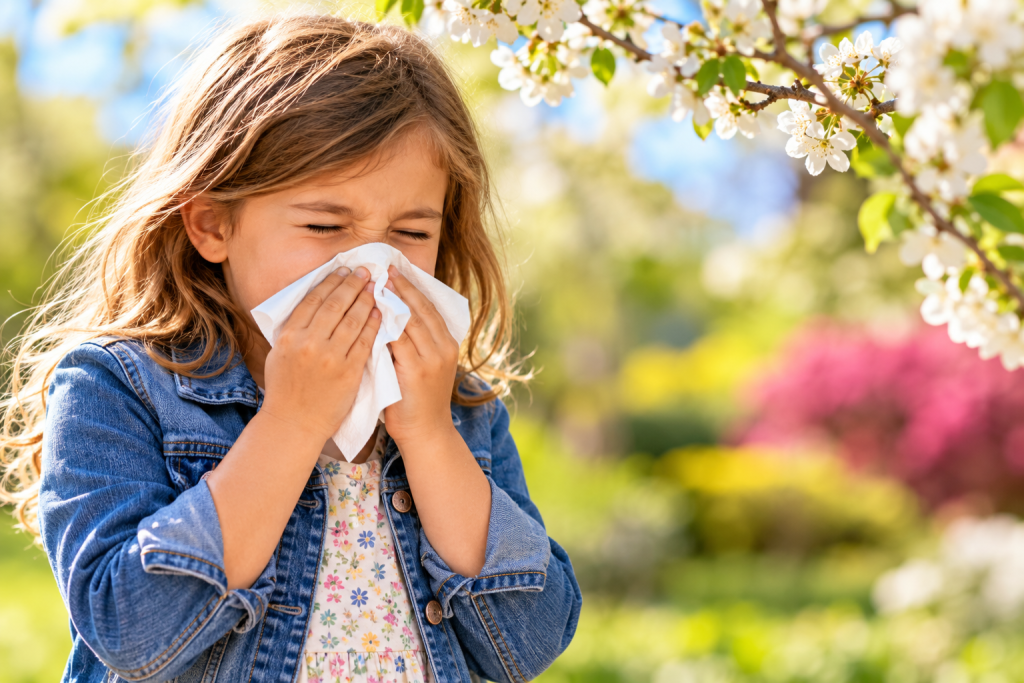
Hay fever is an immune overreaction to pollen from trees, grasses, or weeds, depending on the season. The child breathes in those particles, and the body treats them like a threat. You get a runny or stuffy nose, sneezing, itchy watery eyes, and sometimes a cough or wheeze. Some kids also get dark circles under the eyes, a crease across the nose from constant wiping, or a scratchy throat from postnasal drip. A cold usually fades in a week or two and often comes with a fever or body aches. Allergy symptoms hang around as long as the pollen is in the air and rarely bring a fever. Spotting that difference early saves you from treating the wrong thing.
Trees tend to bloom first in spring. Grasses pick up later. Weeds, including ragweed, drive a lot of late-summer and fall misery. A child can be bothered by one season or all of them. Symptoms often feel worse after outdoor play, on windy days, or first thing in the morning. If your child also has eczema or asthma, pollen can stir those up too. Nighttime coughing or tightness in the chest is a reason to pay closer attention, not just add another box of tissues.
What you can do at home
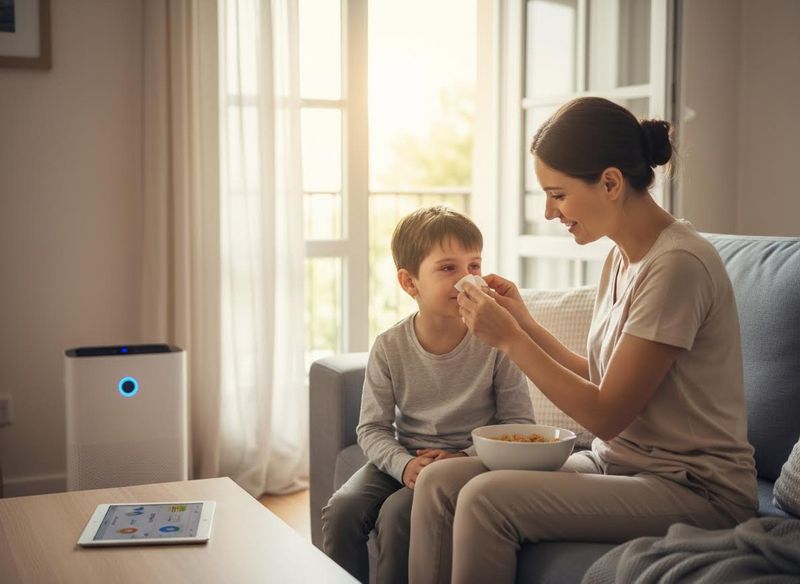
Close the windows on high-pollen days, especially in the morning. Run the air conditioner with a HEPA filter so indoor air stays cleaner. After outdoor play, have kids wash their hands and change clothes so pollen does not ride into the house on sleeves and hair. A quick shower and a hair rinse before bed keeps pollen off the pillow. Check a weather app for the local pollen count before you plan a long afternoon outside. Low-count days are better for parks and sports.
Keep pets wiped down if they spend time in the yard. They carry pollen on fur the same way kids carry it on jackets. Do not hang laundry outside during peak season. Use saline spray or a gentle rinse to clear the nose. Over-the-counter children’s allergy medications help some kids, but read the label and ask before you mix products. Avoid smoking and strong scents indoors. Irritants make an already reactive nose feel worse. If your child plays sports, pack tissues, extra water, and a change of shirt. A visor or sunglasses can cut eye exposure on bright, windy days.
When to call the pediatrician
Home changes help a lot of kids. Call if symptoms stay strong, wreck sleep, or start hurting school and daily life. Call sooner if you hear wheezing, see fast breathing, or notice your child working harder to breathe. An Alpharetta pediatrician can tell allergy from a cold or from asthma, then set a plan. That may mean an over-the-counter medicine, a prescription nasal spray, or allergy testing to name the actual trigger. Families nearby can see a Cumming pediatrician for the same kind of local follow-up.
Bring notes if you can: when symptoms started, what time of year they flare, and what you have already tried. That short history speeds up the visit. Some children need daily medicine only during their worst months. Others need a longer plan, especially if asthma is in the mix. Do not wait until your child is so stuffed up they cannot sleep. Early treatment is easier than catching up after weeks of poor rest.
Prevention is mostly two things: keep pollen out of the house and get help when that is not enough. If spring or fall still leaves your child miserable, schedule an appointment with The World of Pediatrics. We can sort allergies from a cold and set a plan that actually works for your child.