Caring for Your Child Preventing Seasonal Allergy Flare-Ups
Seasonal allergies can turn beautiful spring and fall days into a challenge for children and their parents, bringing sniffles, sneezes, and itchy eyes. Navigating these seasonal shifts requires a proactive approach to keep your little ones comfortable and healthy. At The World of Pediatrics, we understand the concerns parents face, and our goal is to provide trusted guidance to help your family manage and prevent seasonal allergy flare-ups effectively.
Understanding Seasonal Allergies in Children
Seasonal allergies, often called hay fever, are triggered by airborne substances like pollen from trees, grasses, and weeds that appear during specific times of the year. When a child with allergies inhales these microscopic particles, their immune system overreacts, leading to symptoms such as a runny or stuffy nose, sneezing, itchy eyes, and sometimes coughing or wheezing. Unlike a cold, which typically resolves in a week or two, allergy symptoms persist as long as the allergen is present in the environment. Recognizing these signs early is crucial for effective management.
Proactive Home Prevention Strategies
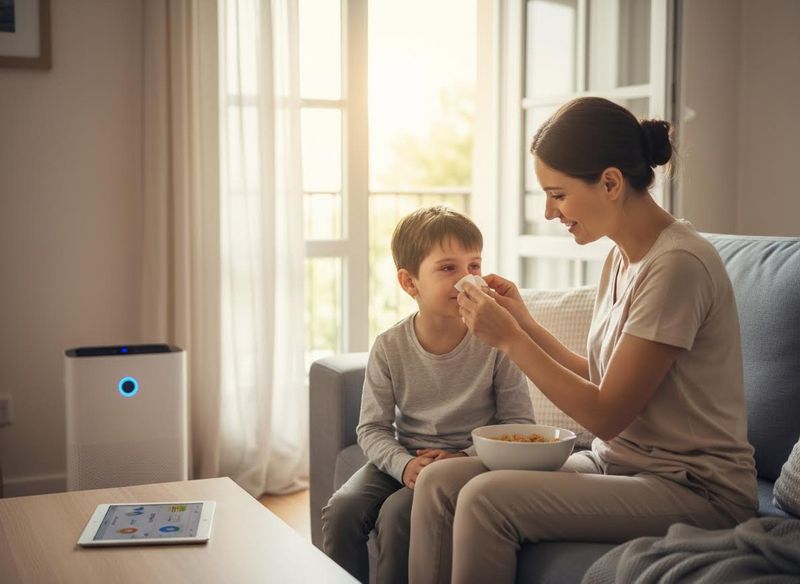
Taking steps at home can significantly reduce your child’s exposure to allergens. During peak pollen seasons, keep windows closed, especially during the morning hours when pollen counts are highest, and opt for air conditioning with HEPA filters to cleanse indoor air. After outdoor play, encourage your children to wash their hands and change their clothes to remove any clinging pollen. Monitoring local pollen counts through weather apps can also help you plan outdoor activities on days when allergens are lower, minimizing potential exposure.
When to Consult Your Pediatrician
While home strategies are beneficial, sometimes seasonal allergy symptoms can be persistent, severe, or significantly impact your child’s quality of life, affecting sleep, school performance, or daily activities. If you notice these concerns, it’s a good time to consult with an alpharetta pediatrician. Our experienced team can accurately diagnose seasonal allergies, distinguish them from other conditions like colds or asthma, and develop a personalized treatment plan. This might include recommending over-the-counter or prescription medications, or referring for allergy testing to identify specific triggers, ensuring your child receives the best care. For families in the surrounding area, a pediatrician cumming can offer similar local expertise.
Preventing seasonal allergy flare-ups in children involves a combination of environmental control and timely medical guidance. By being proactive and understanding the triggers, you can significantly reduce your child’s discomfort. If your child is struggling with seasonal allergies, we encourage you to connect with The World of Pediatrics. Our caring team is here to provide personalized advice and support tailored to your family’s needs. To explore more about managing your child’s seasonal allergies or to schedule a consultation, please visit our patient portal or contact our office.
Join Our Family Today!
We invite you to experience the warmth and dedication of The World of Pediatrics. Contact us today to schedule your child’s appointment and become part of our family!