
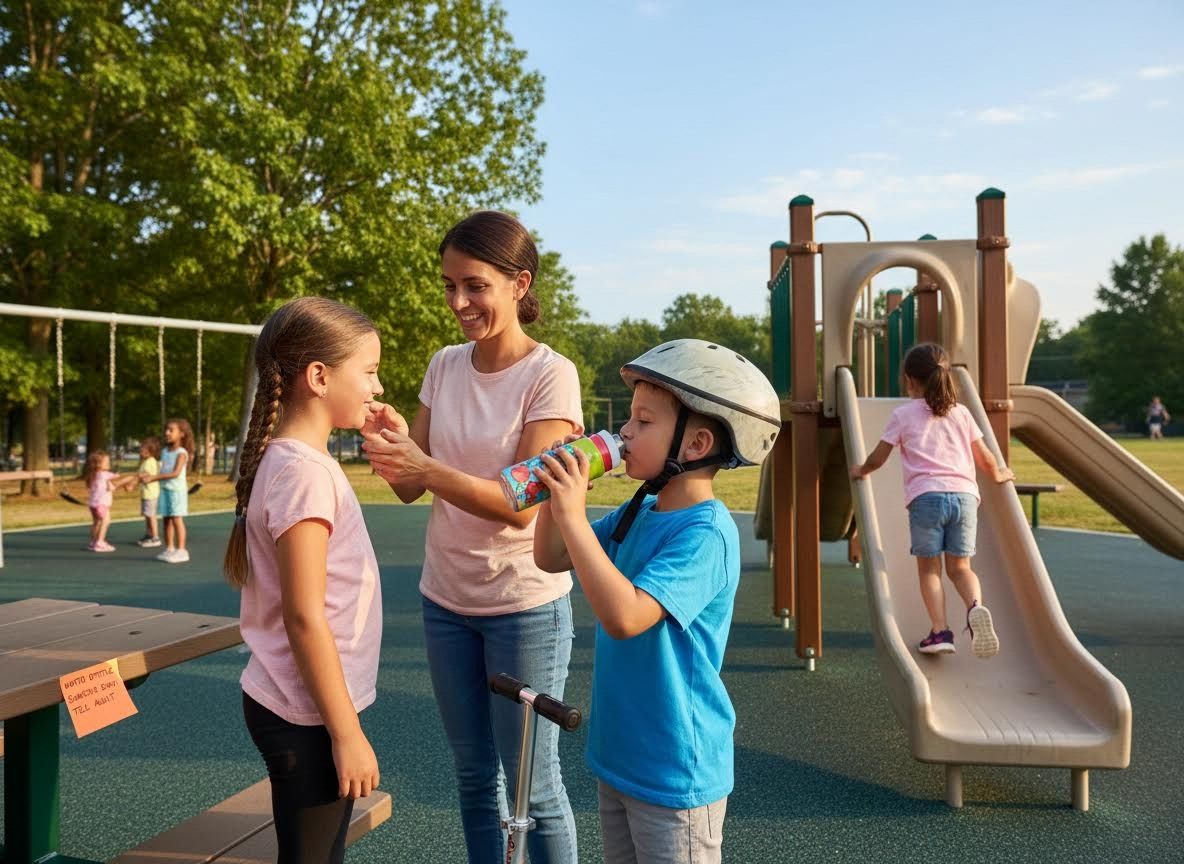
Summer is supposed to feel easy. Longer days, sticky popsicles, and that one neighborhood kid who is somehow outside from 9 AM to 9 PM. For parents here in Milton, GA, summer also means doing that constant mental math of, Wait, where are they right now?
The thing is, most summer injuries are not dramatic movie moments. They are normal moments that go a little sideways. A kid forgets water because they are busy. A helmet gets “left at home” because it looks uncool. A swim day turns into a sunburn day.
This is not a fear list. It’s a practical guide you can skim, steal a few ideas from, and actually use on a random Tuesday. If you ever have questions or need to schedule a summer wellness check, your team at World of Pediatrics is always here to help.
The Boring Rule That Prevents a Lot of Problems
Before we get into specific activities, here’s the simple baseline: Kids need a quick safety routine that’s automatic. Not a lecture. Not a 12-point checklist they will ignore. More like a 20-second script they repeat:
Water bottle.
Sunscreen.
Buddy.
Helmet (if wheels are involved).
Tell an adult where you’ll be.
Put it on a sticky note by the door. Say it out loud for a week. It gets weirdly effective once it becomes a habit.
Sun Safety That Actually Sticks (Without a Daily Argument)
Sunburn is one of those “we’ll be fine” things until you’re not fine.
What to do: Use broad-spectrum sunscreen SPF 30 or higher. Apply 15 minutes before going out, then reapply every 2 hours.
Cover the “oops” spots: Tops of ears, back of neck, along the hairline, tops of feet, and behind the knees.
The trick that helps with kids: Don’t frame sunscreen as “so you don’t get burned.” Frame it as: “This helps you stay outside longer.” That one lands.
Heat Safety in the Georgia Humidity
Kids will run until they are suddenly quiet, flushed, and melting. Heat exhaustion can sneak up fast during Milton playground marathons.
Signs to watch for: Headache, dizziness, nausea, irritability, heavy sweating (or suddenly not sweating), and unusual fatigue.
What to do: Hydrate early. If your kid is outside for more than 30 to 45 minutes in the heat, they should have a bottle with them. Add electrolytes for long sports days, and literally schedule shade breaks.
Playground and Park Safety
Playgrounds are great, but they are also a high-density zone for scraped knees and falls.
Check the surface: Mulch and rubber are safer than concrete. Look for hot equipment—slides can burn skin fast in full sun.
Teach “one at a time” on slides: Going down in a train is cute until someone’s leg twists.
Shoes matter: Closed-toe shoes at parks are safer. Flip-flops are an invitation for stubbed toes.
Bike, Scooter, and Hoverboard Safety
Most head injuries are preventable with helmets.
Helmet rules: Helmet every time. Fit matters: it should sit level on the head, low on the forehead, and not wobble.
Add-on protection: For scooters and skateboards, wrist guards can prevent fractures, and knee/elbow pads reduce nasty scrapes.
Frequently Asked Questions
What is a simple safety routine kids should follow before going outside in summer? Kids need an automatic safety routine, such as: 1. Bring a water bottle. 2. Apply sunscreen. 3. Have a buddy. 4. Wear a helmet if using wheels. 5. Tell an adult where they will be.
How can I ensure my child stays protected from sunburn? Use broad-spectrum sunscreen with SPF 30 or higher, applying it 15 minutes before going outside and reapplying every two hours. Don't forget easy-to-miss spots like the tops of ears and back of the neck.
What are the signs of heat exhaustion in kids? Watch for headache, dizziness, nausea, irritability, heavy sweating or sudden lack of sweat, muscle cramps, and unusual fatigue. Hydrate early to prevent it!