

In our bustling community of Cumming, parents strive to provide the best for their children, and that includes nurturing their mental well-being. Childhood anxiety is a growing concern, often subtle but impactful, affecting many children throughout our community. Recognizing the signs early and understanding how to support your child can make a world of difference, a philosophy deeply shared by us at The World of Pediatrics as we partner with families on this important journey.
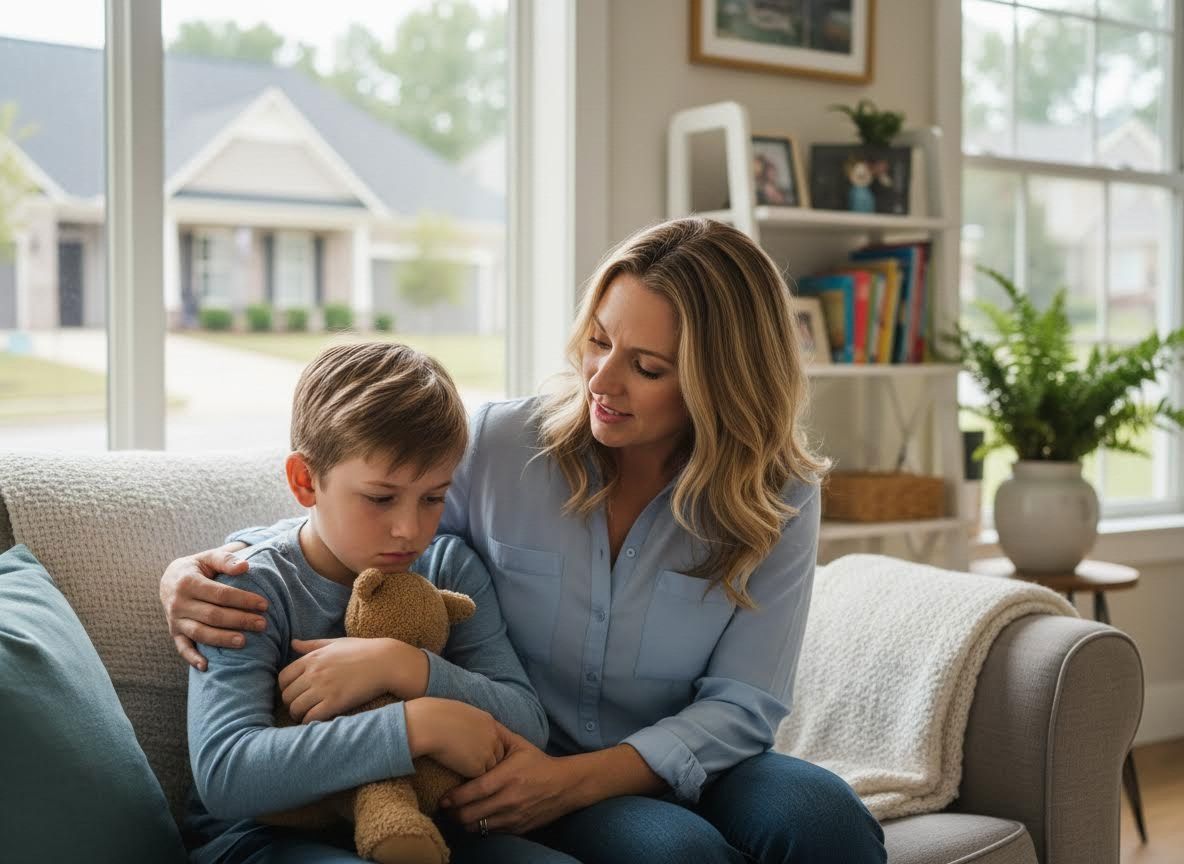
Recognizing the Signs of Anxiety in Children
Childhood anxiety can manifest in various ways, often different from how adults experience it. Parents must be observant of changes in their child's behavior, mood, and even physical health. Common signs may include excessive worry about future events, school performance, or social situations. You might notice your child becoming unusually clingy, having difficulty separating from parents, or experiencing frequent meltdowns over seemingly minor issues.
Physically, anxiety can show up as frequent headaches, stomachaches, or changes in sleep patterns, such as difficulty falling asleep or nightmares. Children might also avoid certain activities, places, or social interactions they once enjoyed, or they may become more irritable and withdrawn. These indicators, while sometimes appearing as normal childhood phases, can be signals that your child is struggling with underlying anxiety.
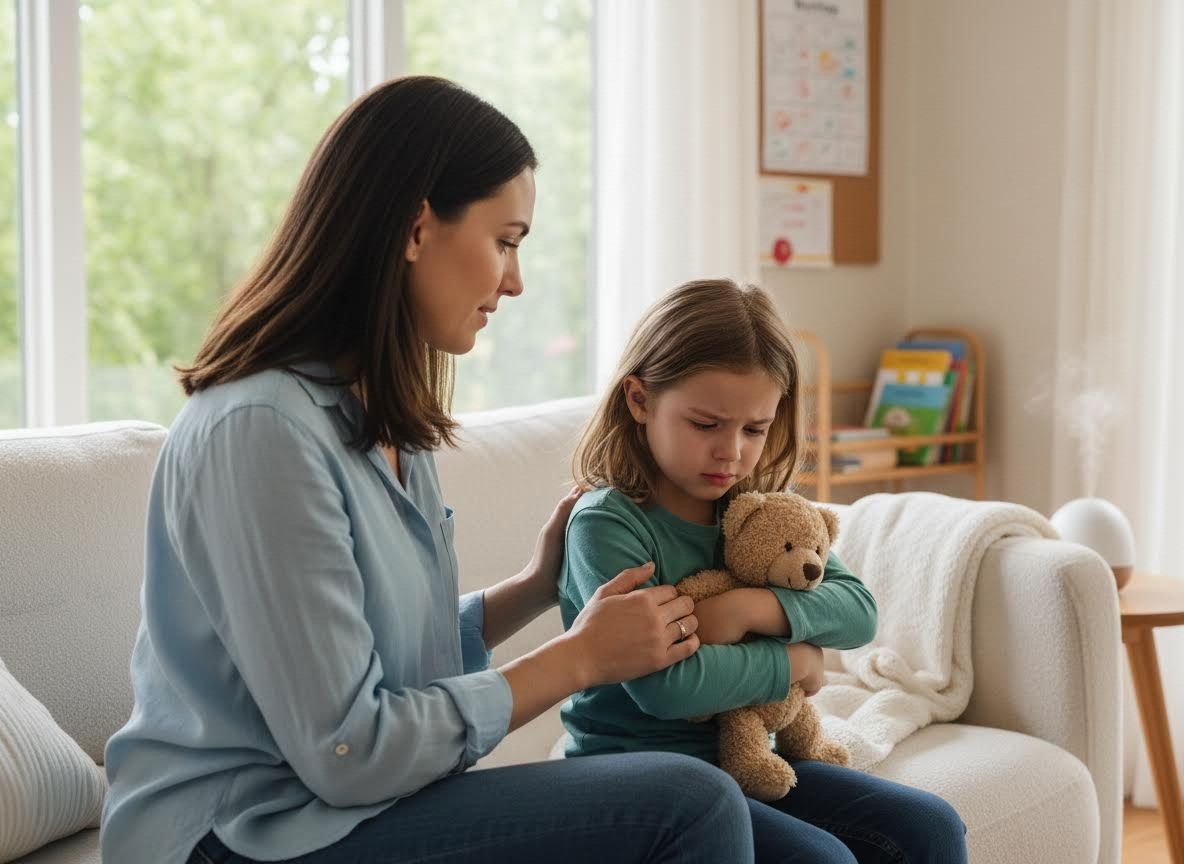
Building a Supportive Home Environment
Creating a consistent, loving, and predictable home environment is fundamental in helping an anxious child.
Establish clear routines, as predictability can reduce uncertainty, a common trigger for anxiety.
Encourage open and honest communication, creating a safe space where your child feels comfortable expressing their fears and worries without judgment.
Validate their feelings by acknowledging that it's okay to be scared or worried, then gently guide them towards coping strategies.
Teach relaxation techniques like deep breathing or mindfulness tailored for children.
Limiting exposure to overwhelming news or stressful situations, ensuring adequate sleep, and promoting a healthy diet also play significant roles in building resilience. Your calm and reassuring presence is one of the most powerful tools in helping your child navigate their anxieties.
Knowing When to Seek Professional Guidance
While parental support is invaluable, there are times when professional guidance is necessary. If your child's anxiety symptoms are persistent, intense, and interfere significantly with their daily life—affecting school performance, friendships, or family activities—it's time to consult an expert. Your trusted Cumming pediatrician is often the first point of contact. They can assess your child's overall health, rule out any underlying medical conditions, and help determine if the anxiety is a normal developmental phase or a more significant concern.
A Cumming pediatrician can provide initial guidance, resources, and, if needed, refer you to child mental health specialists. Early intervention with expert pediatric care is key to helping children develop healthy coping mechanisms and thrive.
Nurturing a child's mental well-being is an integral part of their overall health and development. By staying attuned to their emotional landscape and providing a supportive foundation, parents can equip their children with resilience and the tools to navigate life's challenges. For comprehensive pediatric care and guidance on mental health support, we encourage you to explore the pediatric services offered by The World of Pediatrics and connect with our experienced team to learn how we partner with families like yours.