
When the pollen count explodes across Milton and Alpharetta, you do not need to live in a bubble. But you do want your home to be the place your immune system stops freaking out.
Seasonal allergies are not only about what medication you take; they are also about how much pollen exposure you can reduce. Here are practical ways to lower your baseline so you can actually enjoy the spring weather.
Make Your Home a Low-Pollen Zone
A few big wins can drastically reduce your indoor symptoms:
Take shoes off at the door so pollen doesn't hitchhike inside.
Change clothes after being outside for a long time, especially after yard work.
Shower before bed during peak season, or at least rinse your hair. Pollen sticks to hair and goes right onto your pillow.
Wash pillowcases once or twice a week.
Keep windows closed when counts are high. If you need airflow, use your HVAC system with a decent filter.
If allergies hit you hard indoors, a HEPA air purifier can help, especially in the bedroom. You can also explore our guide on Maximizing Winter Comfort with Safe Humidifier Use for tips on managing indoor air moisture, which plays a big role in respiratory comfort.
Check Pollen and Air Quality Like the Weather
You do not have to become a pollen detective, but checking the daily counts changes your whole week.
Look at pollen counts, air quality, and wind (which makes pollen travel more).
Check pollen before planning outdoor exercise. If it is high, move your walk to later in the day.
Morning is often worse for pollen. If you love early runs, try an evening run during peak season.
Protect Yourself Outdoors (Without Giving Up Your Life)
You do not need to stop going outside. You just want to lower the dose of allergens you are inhaling.
Wear sunglasses to reduce pollen hitting your eyes.
Wear a hat to keep pollen out of your hair.
Consider a mask on very high pollen days, especially for yard work.
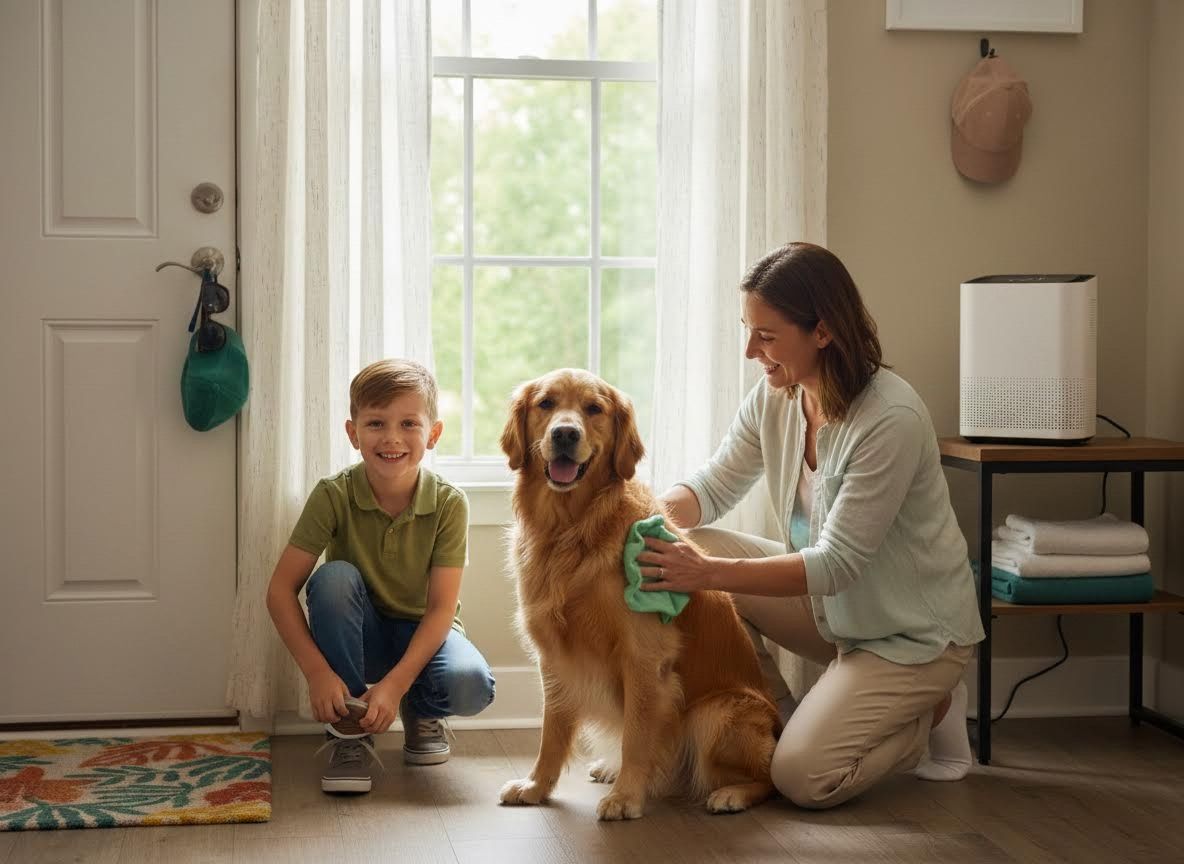
Wipe down your pets after they have been outside. Pollen sticks to fur and comes right inside.
Food, Sleep, and Stress Matter
Your body handles allergens worse when you are already run down. Bad sleep, high stress, and dehydration make everything feel more dramatic. Prioritize sleep during peak weeks, and stay hydrated, as dry nasal passages get irritated much faster.
Frequently Asked Questions
How can checking pollen counts help manage seasonal allergies? Checking pollen counts and air quality daily allows you to plan outdoor activities better. High pollen days often occur in the morning or on windy days. If counts are high, consider exercising later in the day.
What are effective ways to make my home a low-pollen environment? To reduce indoor pollen: take off shoes at the door, change clothes after being outside, shower before bed, keep windows closed on high pollen days, wash bedding frequently, and use HEPA air purifiers in the bedroom.